
Fort Kochi Beach's Biggest Cleanup Returns on March 28
Fort Kochi's largest beach cleanup is back. Trash Hunt 4.0 on March 28 needs your hands, your energy, and two hours of your morning.
Fort Kochi's largest beach cleanup is back. Trash Hunt 4.0 on March 28 needs your hands, your energy, and two hours of your morning.

Kochi-Muziris Biennale is finally here. Browse through Daily Schedules, Highlights, Events, Galleries, Artists in this ultimate guide

Discover the charm of the curated collection of books found in the independent and quaint bookstores in Fort Kochi that enriches the cultural experience of travellers and explorers.

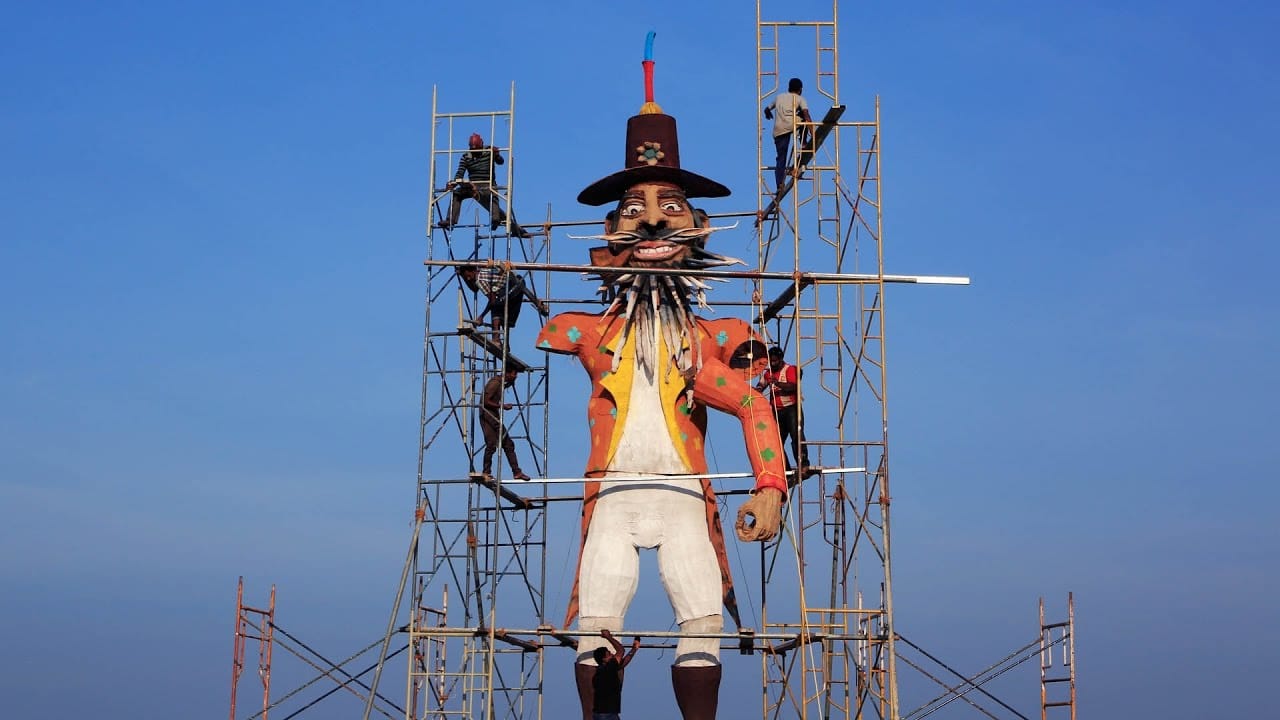
Experience Pappanji, Fort Kochi’s New Year ritual. This midnight burning of a giant effigy celebrates Kerala’s deep Portuguese and Jewish history.

If there is one thing we cats know, it’s how to watch the world from the shadows. While you hoomans are busy chasing your tails during the New Year frenzy, I’ve been perched on the tiled roofs of Fort Kochi, keeping an eye on the most peculiar tradition: the Pappanji.
The first time I witnessed a Pappanji burn, I was perched on a warm tin roof near Fort Kochi Parade Grounds, my whiskers twitching with the scent of smoke and sea salt.
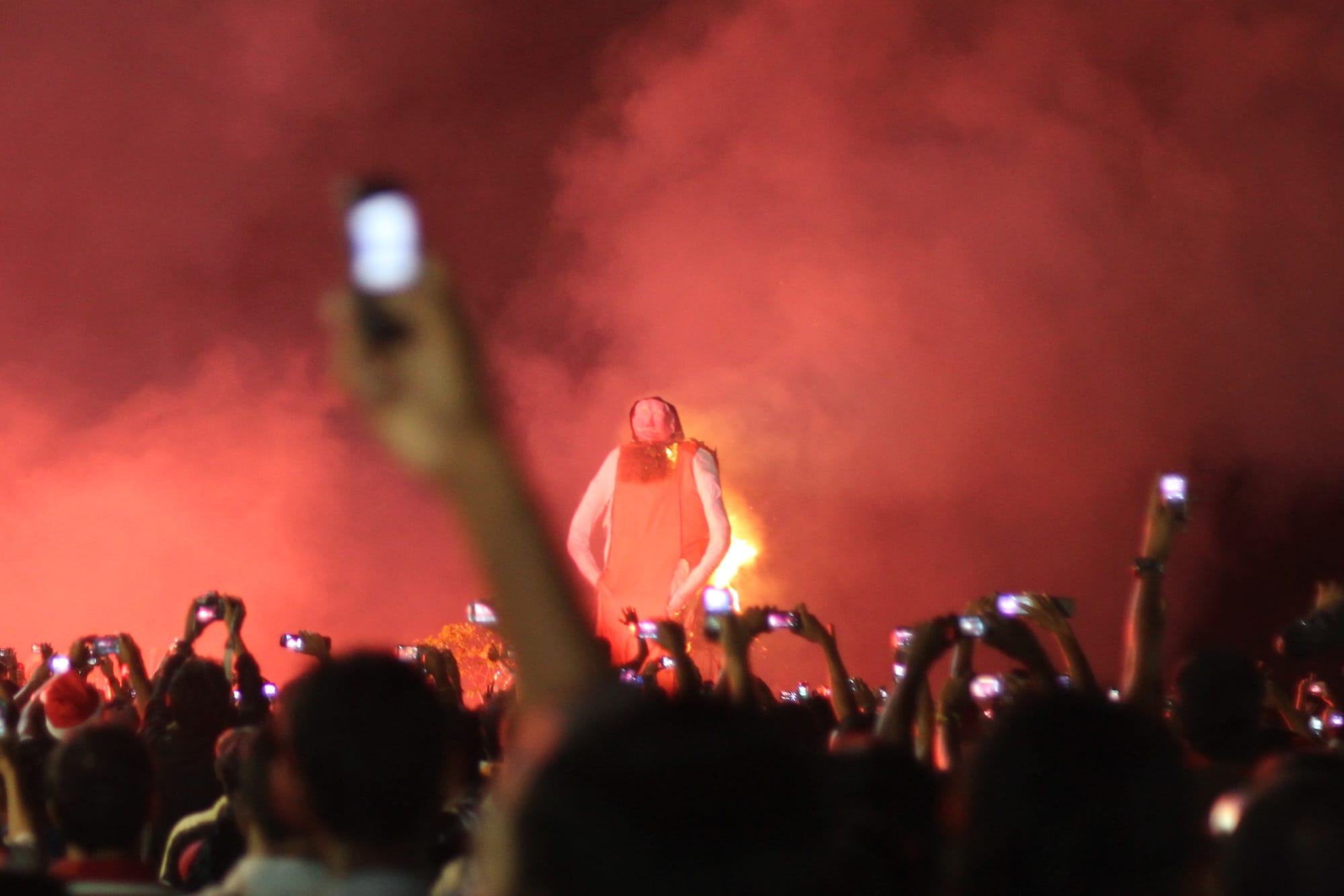
It was eleven-fifty on the last night of December. Thousands of humans stood shoulder to shoulder on the sand below, their faces lit by phone screens and fairy lights. And there, towering above them all, sat an enormous figure—an old man in a coat and hat, stuffed with straw, patiently waiting for midnight.
When the clock struck twelve, they set him on fire. Meow!
His story, like most good stories in this old port town, has roots tangled in centuries of foreign ships and borrowed customs. Some historians believe Pappanji emerged from Portuguese celebrations— They celebrated Christmas and New Year with grandeur, and somewhere in those festivities, the tradition of burning an effigy to symbolise the dying year took root.
Others trace him to an older source: the Jewish community of Cochin, whose presence on this coast stretches back over two thousand years. During the Feast of Enoch, marking victory over Greek oppression, the community would burn an effigy of the Greek general Bagris—made of straw and dry grass, stuffed with salt and green leaves that crackled in the flames. The timing is curious: Pappanji burns on the eighth day after Christmas Eve, just as the Feast of Enoch falls on the eighth day of Hanukkah.
Whether Portuguese or Jewish in origin— Pappanji became a Fort Kochi institution.
The Cochin Carnival (more about this soon) began formally in 1985, started by young Kochiites during the United Nations International Youth Year celebrations. Since then, Pappanji has grown increasingly magnificent. I have seen Pappanjis that were giants of paper and bamboo, towering philosophical statements that made visiting humans take photographs for hours before the flames consumed them. In the old days, I am told by elderly harbour cats who remember such things, children would make small Pappanjis all along the streets during Christmas week. Hundreds of little straw men in coats and hats, some smoking tiny cigars, lined the lanes of Fort Kochi waiting for their midnight cremation.
If you visit Kochi for New Year's Eve, find yourself a spot early. Bring patience. Bring water. And as midnight approaches and the old straw man begins to glow, remember that you are participating in something that has survived centuries of colonial change—a ritual that belongs neither fully to Portugal nor to the Jewish diaspora, but to this particular corner of Kerala where the sea has always brought strangers, and strangers have always left behind their fire.
I will be watching from above (not that above 👼🏾 , just the roof silly), as always. Look for the orange cat on the blue roof.
On 31st December, 2025 - Pappanji burning is expected at Parade Ground and another one at Veli Ground.

Fort Kochi's largest beach cleanup is back. Trash Hunt 4.0 on March 28 needs your hands, your energy, and two hours of your morning.

Kochi-Muziris Biennale is finally here. Browse through Daily Schedules, Highlights, Events, Galleries, Artists in this ultimate guide

This Google Calendar Keeps Track of Events, Experiences, Things to do and is updated every 1-2 days. You can click on each event/experience you like and add to your Calendar.

If you want to understand the soul of Mattancherry, you don’t look at the maps or blogs; you look at the plates. From the crunch of a Gujarati samosa to the legendary Erachi Choru at Nooriyas, this town is a map of migration you can taste.
Join 1500+ others & Sign up for the newsletter and get our latest posts delivered straight to your inbox.